
Natalie Hamilton is a teacher and translator. She turned her focus to Japanese study while living and working in Japan’s rural Oita Prefecture on the JET Programme. She was awarded a Master of Japanese Translation in 2014, which included a linguistics dissertation entitled Cracking the ON Yomi Code, and holds a Master of Secondary Teaching. Her kanji textbook The Kanji Code has been an Amazon #1 Best Seller on four continents.
The radicals or 部首 (bushu) are the components of kanji that give a hint to their meaning. There are 214 official radicals in both Japanese kanji and Chinese hanzi, and their meanings are roughly the same across both languages, with only small differences. You can find a list in the back of most kanji dictionaries and by doing an online search.
When I lived in Japan I decided to ‘challenge’ the 漢字検定 (kanjikentei), a kanji test that native Japanese people take throughout their school years, and some adults take just for the challenge of it. The test demands that you learn the meaning and names of the radicals, so I set about learning them.
I found it easier to learn them by breaking the list of 214 radicals down into sub-categories. While they are traditionally listed in order of stroke count, I found that separating them into subject sub-categories helped me to get a grip on their meaning and make sense of the world created by the radicals. These are categories that I decided on, and not ‘official’ as far as I know. I’m sure you could order them slightly differently, depending on how you look at them.
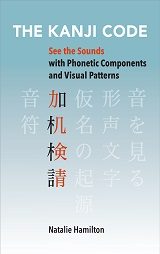
This list features as an appendix in my book The Kanji Code. I hope you find it useful!

 Psst…
Psst…
My web stats tell me that quite a few people have been googling “the kanji code pdf”. Please be aware that I am a teacher and I self-published this book to a professional standard using my own savings.
I did a lot of the work for The Kanji Code after my two-year-old son went to bed each night, after a long day either teaching or parenting. I didn’t run a Kickstarter campaign, I just used my own funds and I would just like to receive some payment for all the hard work I put in which will hopefully help lots of people learn kanji. I don’t have a university or large publisher behind me.
The print book is comparable in cost with similar textbooks, and the ebook is the cost of a cheap lunch in all regions. I have deliberately lowered the price in the emerging markets to make it more affordable. So please support my small press by paying for your copy https://amzn.to/2KWFQXD
Or if you really can’t afford it, please ask your teacher, school or library to order a copy!
I have shared my list of radicals below for people who can’t afford to spend any money. よろしくね!
| Meaning | Radical | Japanese name |
| NATURE | ||
| water, 3 water drops | 水 氵 | mizu/sanzuiみず・さんずい |
| tree | 木 | ki き |
| earth | 土 | tsuchi つち |
| sun | 日 | hi ひ |
| grass | 艸 艹 | kusa くさ |
| fire | 火 灬 | hi ひ |
| field | 田 | ta た |
| shell, money | 貝 | kai かい |
| big shell | 頁 | oogai おおがい |
| moon | 月 | tsuki つき |
| stone | 石 | ishi いし |
| river | 川 | kawa かわ |
| mountain | 山 | yama やま |
| rain | 雨 | ame あめ |
| steam, air | ⽓ | kigamae きがまえ |
| ice, 2 water drops | 冫 | ni sui にすい |
| cave | 穴 | ana あな |
| valley | 谷 | tani たな |
| branch | 支 | shi し |
| BODY PARTS | ||
| mouth | 口 | kuchi くち |
| hand | 手 扌 | te て |
| heart | 心 ⺖ | kokoro こころ |
| meat, organ | 肉 月 | niku にく |
| eye | 目 | me め |
| legs | 儿 | nin nyou / hito ashiにんにょう・
ひとあし |
| yawn, lack | 欠 | akubi あくび |
| corpse | 尸 | shikabane しかばね |
| decay, death | 歹 | gatsuhen がつへん |
| foot | 足 ⻊ | ashi あし |
| footsteps | 癶 | hatsu gashiraはつがしら |
| neck | 首 | kubi くび |
| body | 身 | mi み |
| skin | 皮 | kegawa けがわ |
| hair/3 | 彡 | sandzukuri |
| blood | 血 | chi ち |
| tooth | 歯 | ha は |
| PEOPLE | ||
| person | 人 亻 𠆢 | hito ひと |
| woman | 女 | onna おんな |
| old age | 老 耂 | rou ろう |
| king, ball/ jewel | 王 玉 | ou tama おうたま |
| child | 子 | ko こ |
| clan, family name | 氏 | uji うじ |
| scholar, samurai | 士 | samurai さむらい |
| official | 臣 | shin しん |
| myself | 自 | mizukara みずから |
| oneself | 己 | onore おのれ |
| private, katakana mu | ム | mu む |
| ENCLOSURES | ||
| movement | 辶 | shin nyuuしんにゅう |
| sickness | 疒 | yamaidareやまいだれ |
| ma border (麻)/ dotted cliff | ⼴ | madare まだれ |
| stepping | 彳 | gyounin benぎょうにんべん |
| left village | 阝 | kozatohenこざとへん |
| right village | 阝 | oozato おおざと |
| country enclosure | 囗 | kuni gamae くにがまえ |
| gate | 門 | mon もん |
| U crown | 宀 | u kanmuriう かんむり |
| pot lid | 亠 | nabebuta なべぶた |
| long stride | 廴 | en nyouえんにょう |
| cliff border | ⼚ | gandare がんだれ |
| wrapping | 勹 | tsutsumi gamaeつつみがまえ |
| inbox | ⼐ | uke bako うけばこ |
| C box/ box frame | 匚 | hako gamaeはこがまえ |
| dot | 丶 | ten てん |
| katakana TSU/ small | ⺍ | tsu kanmuriつ かんむり |
| wa crown | 冖 | wa kanmuriわ かんむり |
| bend, katakana NO | 丿 | no の |
| hook | 亅 | hanebou はねぼう |
| VERBS/ LANGUAGE | ||
| speech | 言 | gen げん |
| eat | 食 飠 | shoku しょく |
| worship, alter | 示 礻 | shimesu しめす |
| again/ right hand | 又 | mata また |
| stand | 立 | tatsu たつ |
| stop | 止 | tomeru とめる |
| work, katakana E | 工 | takumi たくみ |
| see | ⾒ | miru みる |
| run | 走 | hashiru はしる |
| dry | 干 | kan かん |
| say | 曰 | iwaku いわく |
| compare | 比 | kuraberu くらべる |
| live | 生 | umareru うまれる |
| wrong, non- | 非 | arazu / hiあらず・ひ |
| go | ⾏ | gyou ぎょう |
| NATURAL MATERIALS | ||
| bamboo | 竹 | take たけ |
| thread | 糸 幺 | ito いと |
| metal, gold | 金 | kane かね |
| turban, scarf | 巾 | haba はば |
| clothes | 衣 衤 | koromo ころも |
| hemp | 麻 | asa あさ |
| tanned leather | 韋 | nameshi gawaなめし がわ |
| bolt of cloth | ⽦ ⺪ | hiki ひき |
| MATH & MEASUREMENT | ||
| one | 一 | ichi いち |
| two | 二 | ni に |
| eight | 八 | hachi はち |
| ten | 十 | juu じゅう |
| inch | 寸 | sun すん |
| big | 大 | dai だい |
| small | 小 | chiisai ちいさい |
| long | 長 镸 | nagai ながい |
| tall | 高 | takai たかい |
| second | 乙 , 乚 | otsu おつ |
| slice, fragment | 片 | kata かた |
| divide | 釆 | nogome のごめ |
| surface | 面 | men めん |
| way | 方 | hou ほう |
| west | 西 覀 | nishi にし |
| boundary | 艮 | kon こん |
| even | 斉 | sei せい |
| winter | 夂 | fuyu gashiraふゆ がしら |
| evening | ⼣ | yuube ゆうべ |
| FOOD | ||
| rice | 米 | kome こめ |
| grain, two-branch tree | 禾 | nogi のぎ |
| dish | 皿 | sara さら |
| spoon | 匕 | saji no hi さじのひ |
| sake, alcohol | 酉 | tori とり |
| wheat | 麦 | mugi むぎ |
| bean | 豆 | mame まめ |
| ANIMALS | ||
| horse | 馬 | uma うま |
| insect | 虫 | mushi むし |
| dog | 犬 ⺨ | inu いぬ |
| sheep | 羊 | hitsuji ひつじ |
| bird | 鳥 | tori とり |
| old bird | 隹 | furutori ふるとり |
| cow | 牛 | ushi うし |
| fish | 魚 | uo うお |
| fur, wool | 毛 | ke け |
| tusk/ fang | 牙 | kibahen きばへん |
| wings, feathers | 羽 | hane はね |
| WARFARE | ||
| sword, knife | 刀 刂 | katana かたな |
| strike, activity | ⽁ ⺙ | boku dzukuri nobunぼく ずくりのぶん |
| power | 力 | chikara ちから |
| bow | 弓 | yumi ゆみ |
| arrow | 矢 | ya や |
| halberd (spear-axe) | ⼽ 矛 | hoko ほこ |
| axe | 斤 | ono おの |
| stick | 丨 | bou ぼう |
| MAN-MADE TOOLS | ||
| door | 戸 | to と |
| net | 罒 网 ⺲ ⺳) | ami gashiraあみがしら |
| plow | 耒 | raisuki らいすき |
| desk | 几 | tsukue つくえ |
| stamp, seal | ⼙ | fushi dzukuriふし ずくり |
| vehicle | 車 | kuruma くるま |
| SENSES | ||
| white | 白 | shiro しろ |
| blue | 青 | ao あお |
| sound | 音 | oto おと |
| SUPERNATURAL | ||
| zodiac dragon | 辰 | shin no tatsuしんのたつ |
| dragon | 竜 龍 | ryuu りゅう |
| demon | 鬼 | oni おに |
| fortune-telling/ katakana TO | ト | boku no toぼくのと |
Order The Kanji Code for the Japanese phonetic components, kanji examples and vocabulary.
菜多梨
 The Kanji Code